Crafting Successful Ads: The Art of Creative Testing in 2025
Master creative testing in 2025 to boost CTR, engagement, and conversions. Learn what hooks win, iterate fast, and scale high-performing ads across platforms.

Table of Contents
The creation of successful adverts has never been more difficult or fun. Leveraging it requires accuracy due to the numerous platforms, many audiences, and rapidly changing trends. Creative testing is your loophole towards knowing what was effective and why. It is not about doing experiments; it is about using learning to promote strategies that bring improvements.
Let’s take a closer look at the strategies you can use to create attention-grabbing, engagement-stimulating, conversion-boosting campaigns.
What is Creative Testing?
It is the practice of taking various components of your ads and then using trial and error to know which ad your target group will prefer. It means testing a number of adverts at the same time to determine which element draws attention, generates interest, and prompts a call to action.
It may be that you change headlines, images, the CTAs, or even the kind of ad that is being shown. The goal? To refine your creative strategy based on data-driven insights, not guesswork.
Why It’s Crucial in 2025
By 2025, the speed of consumers’ choices will be more unpredictable than ever before. Hence, the formula; with the onset of personalization through AI, the survivor is the ad that feels genuine. Creative testing does not allow you to take shots at the wall if you know what I mean. They deal much with knowing not guessing.
Best Practices for Creative Testing
1. Define Clear Objectives
They all say that every test should begin with a question. What are you trying to learn? Depending on the goal it may be clicks-through rate (CTR), app installation, or purchases your focus area for testing will be determined.
2. Start with a Hypothesis
Before testing, make an educated guess about what might work. For example:
“A video ad will perform better than a static image.”
“Using a question in the headline will increase engagement.”
Your hypothesis keeps your tests focused and purposeful.
3. Test One Variable at a Time
To get meaningful insights, change only one element per test. If you tweak both the image and headline simultaneously, it’s hard to know which change drove the results. Stick to testing one variable, such as:
Headline
Visuals
CTA
Colors
Ad format (carousel, video, static image)
Tools for Creative Testing
Google Optimize is easy to use for those who want to perform regular A/B testing. It shares a perfect combination with Google Analytics which also provides you with useful data about your audience’s activity.
Meta (previously Facebook) offers integrated facilities for the testing of multiple ad options. The analytical results can be obtained depending on website visits, clicks, and ad exposure rates, as well as conversion rates.
Some of the recommended AI tools for 2025 include; AdCreative.ai. They will employ machine learning to determine which creatives will produce the best results eliminating the need for you to waste your time and money.
Real-World Examples of Successful Creative Testing
Example 1: Coca-Cola's Micro-Moment Ads
Coca-Cola tested short, personalized video ads targeting specific moments, like lunchtime or a movie night. By tweaking the messaging and timing, they boosted engagement by 35%.
Example 2: Airbnb’s Localized Campaigns
Airbnb ran creative tests in various markets, tailoring imagery and copy to local preferences. For example, they used scenic photos for travelers in the U.S. but highlighted cozy homes for European audiences. This approach increased bookings by 20%.
Strategies to Create Winning Ads
1. Leverage Personalization
Personalized ads perform better because they feel relevant. Use audience insights to tailor your messaging. For instance:
Highlight eco-friendly features for environmentally conscious audiences.
Emphasize speed and efficiency for busy professionals.
2. Use Data-Driven Insights
Rely on analytics tools like Google Analytics or Mixpanel to guide your creative decisions. These platforms show you which ads drive the most traffic and conversions.
3. Incorporate Trends
Stay ahead by embracing current trends, such as:
Short-form video content (e.g., TikTok, Instagram Reels)
Interactive ads (polls, quizzes)
Tips for Optimizing Ads
Keep It Simple: Avoid clutter. A clear message and clean design resonate more than overloaded visuals.
Focus on CTAs: Make your CTA bold and action-oriented. “Shop Now,” “Learn More,” or “Get Started” are effective.
Test Video vs. Static Images: Video often outperforms static images, but it’s worth testing in your campaigns.
Refresh Creatives Regularly: Ads lose effectiveness over time. Rotate new creatives to maintain interest.
Key Metrics to Track During Creative Testing
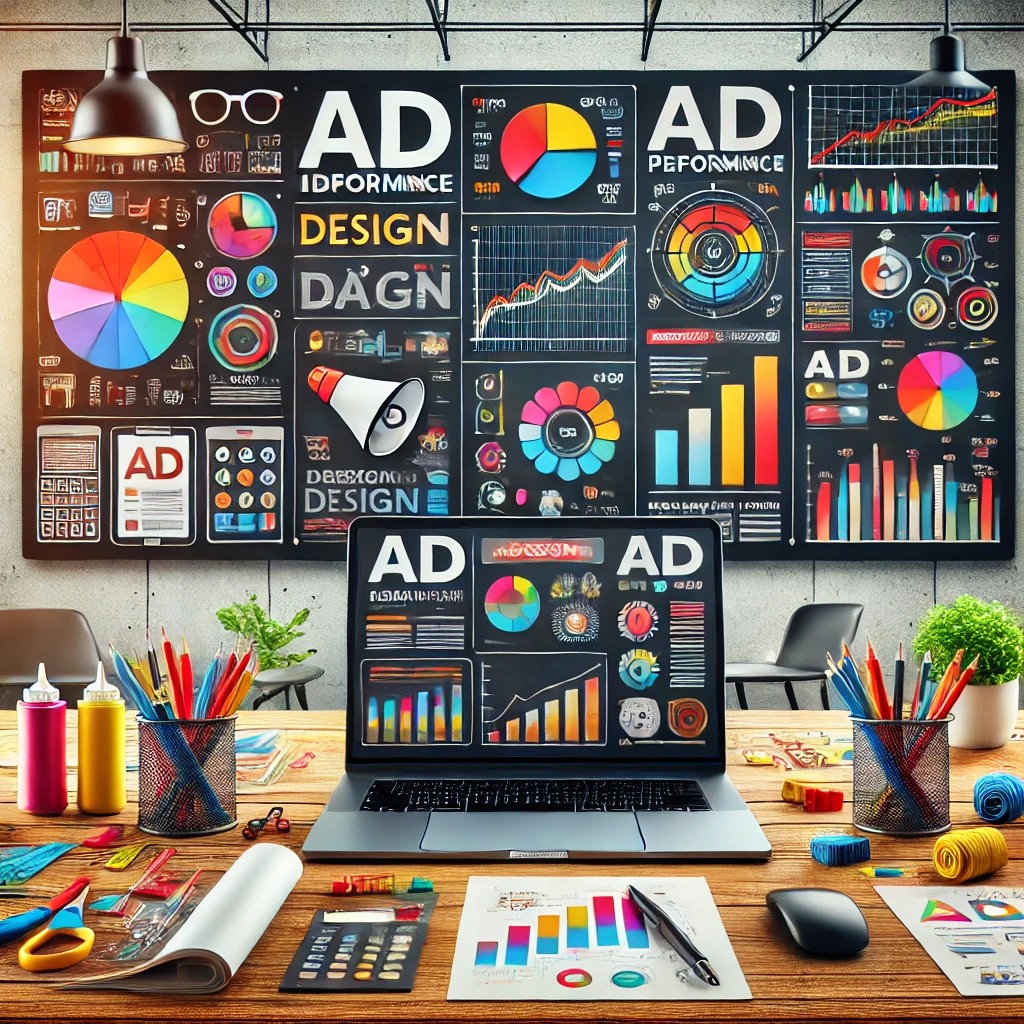
Click-Through Rate (CTR): Measures how many people clicked your ad after seeing it.
Conversion Rate: Tracks how many users completed the desired action (purchase, sign-up, etc.).
Engagement Rate: Analyzes likes, shares, and comments to measure interaction.
Return on Ad Spend (ROAS): Determines the revenue generated for every dollar spent on ads.
Common Mistakes in Creative Testing
1. Testing Too Many Variables
This creates confusion and makes it harder to pinpoint what’s working.
2. Ignoring the Audience
Testing without considering your audience’s preferences can lead to poor results. Tailor your tests to their needs.
3. Overlooking Small Wins
Sometimes, a small improvement in CTR or engagement can lead to significant long-term results. Don’t dismiss incremental progress.
Future Trends in Creative Testing
1. AI-Powered Insights
AI tools like AdCreative.ai will dominate in 2025. They’ll help advertisers predict performance before running ads, saving time and resources.
2. Voice Search Ads
With the rise of smart speakers, testing voice-driven ads will become crucial.
3. Interactive Experiences
Interactive ads that engage users through polls, quizzes, or augmented reality will grow in popularity.
Step-by-Step Guide to Creative Testing
1. Plan Your Test
Define your objective.
Choose one variable to test.
Set a clear timeline.
2. Run the Test
Launch your ad variations.
Monitor performance daily.
3. Analyze Results
Compare metrics like CTR, conversion rate, and engagement.
Identify the winning creative.
4. Scale the Winning Ad
Use the top-performing creative for broader campaigns.
Continue testing to optimize further.
Final Thoughts: Why Creative Testing Matters
Creative testing ...
About Dan Ragan
Founder of UGC Factory and expert in user-generated content marketing strategies. With over 10 years of experience in digital marketing, Dan helps brands leverage authentic content to drive engagement and conversions.